 DHMA
International Ethics Day reminds us that honesty and personal responsibility are essential for any country to grow. In Nepal, we often hear big speeches about "good governance" and "Digital Nepal." Yet, on the ground, our daily reality tells a very different story. Why do our roads wash away every monsoon? Why do public schools lack basic facilities? The root of the problem goes beyond politics. It is cultural, psychological, and tied deeply to how we view fate, religion, and personal accountability.
1. Public Words vs. Private Actions
In Nepal, political and social leaders speak very nicely in public. They talk about transparency, rules, and development. But behind closed doors, decisions are often made based on personal loyalty and favors for friends and family (afno manche).
When public projects fail, leaders rarely take blame. Instead, they rely on a cultural shield: fatalism. By suggesting that "it is written in our destiny" or "it is God's will," they excuse their own poor planning and corruption. A population trained to accept everything as divine fate will never question authority or demand accountability.
2. Natural Disasters and Lost Funds
Nepal is located in a very active geological zone, facing earthquakes, landslides, and floods. These are natural events governed by science, earth movement, and weather. They require science, engineering, and proper planning.
However, during the 2015 earthquakes and recent floods, a lot of relief money meant for building safe shelters and helping victims was diverted toward religious rituals and superstition. You cannot fix a broken road or stop a landslide with a prayer. When leaders treat physical disasters as acts of God rather than human mistakes, the same tragedies happen again and again.
3. The Role of Senior Citizens
Our senior citizens are living history books. They have lived through decades of broken promises and corrupt systems. They know who stole public money and why projects failed. But instead of sharing these hard truths with the youth, local politicians often herd elders into temples to chant religious slogans.
This creates a comfortable illusion. It makes elders feel respected and gives politicians easy votes. But true elders should pass down honest lessons: "We trusted the wrong people. We blamed fate when we should have demanded good engineering. Do not make our mistakes."
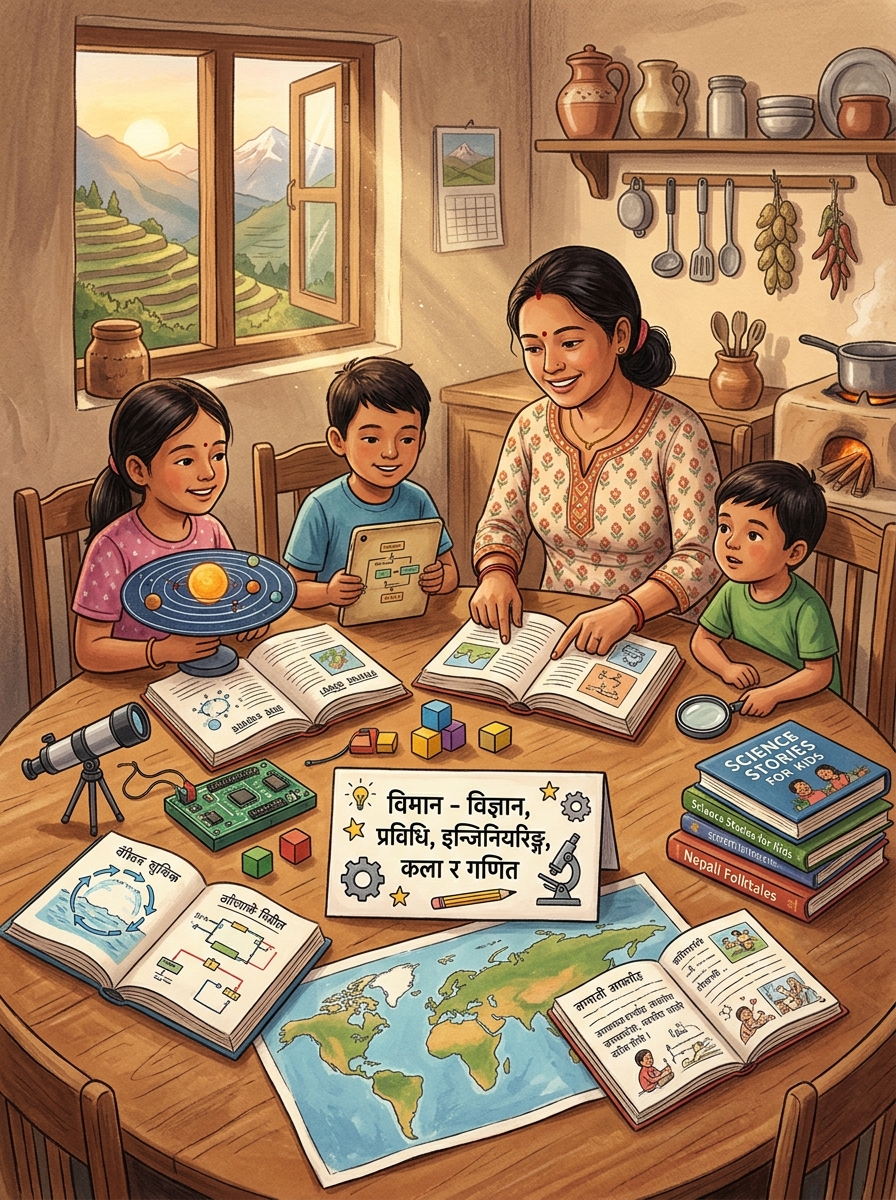
4. The Kitchen Table Revolution (Mothers and STEAM)
Real change cannot wait for politicians. It must start right at home, at the kitchen table. Mothers shape how children think long before they go to school.
By integrating Science, Technology, Engineering, Arts, and Mathematics (STEAM) with honest storytelling, families can break old cycles. Storytelling should be about real life—admitting family mistakes and learning from them. When women’s groups in villages and towns use simple tools to track local budgets and ask hard questions of ward leaders, true good governance begins.
Conclusion
Good governance is not a gift given by gods or politicians. It is built by active citizens who demand truth, science, and responsibility. For Nepal to move forward, we must stop hiding behind ancient myths and performative rituals. We are fully responsible for our actions, our homes, and our country.
Summary