Blog

All Blogs

Rethinking Ethics from Villages to the Himalayas: Making Sure Nepal’s New Technology Helps Everyone

by Prof. Timila Yami Thapa. in DHMA Blog

Re-centering Ethics in Nepal’s Digital Future: From Villages to the Himalayas

In the spirit of Global Ethics Day 2026, Nepal cannot treat ethics as an afterthought as artificial intelligence rapidly reshapes daily life. To modernize without losing its soul, our leaders, tech builders, schools, and youth must unite around Rotary International’s Four-Way Test—ensuring every AI-assisted system is rooted in truth, treats everyone fairly (from remote mountain villages to cities, and in Nepali, Nepal Bhasa, and local languages), protects our fragile environment and intergenerational storytelling, and keeps human dignity and moral responsibility firmly in charge. Coupled with strong privacy laws and academic reforms that empower top institutions to uplift rural schools, Nepal can build an inclusive digital future that truly serves everyone.
Read More

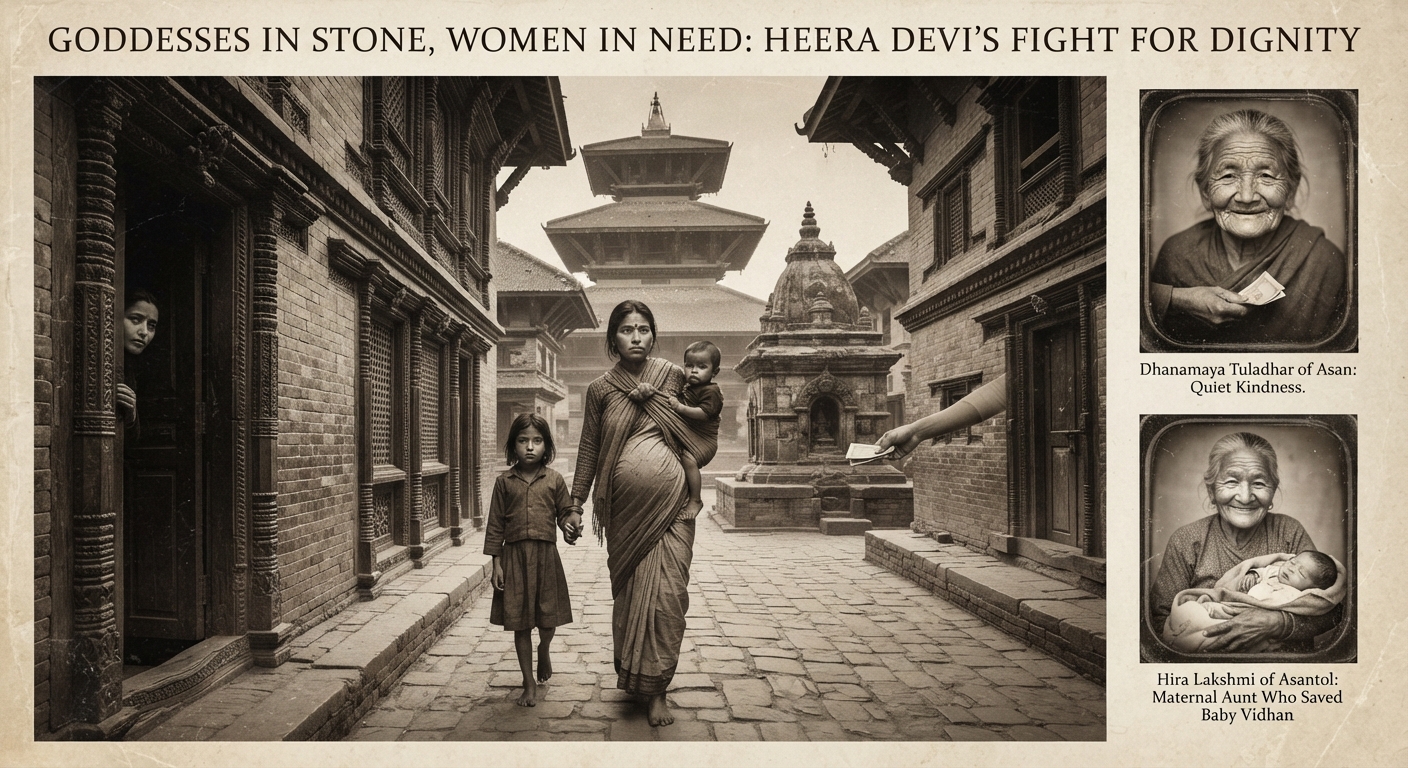
The Goddesses We Worship and the Women We Abandon

by Prof. Timila Yami Thapa. in DHMA Blog

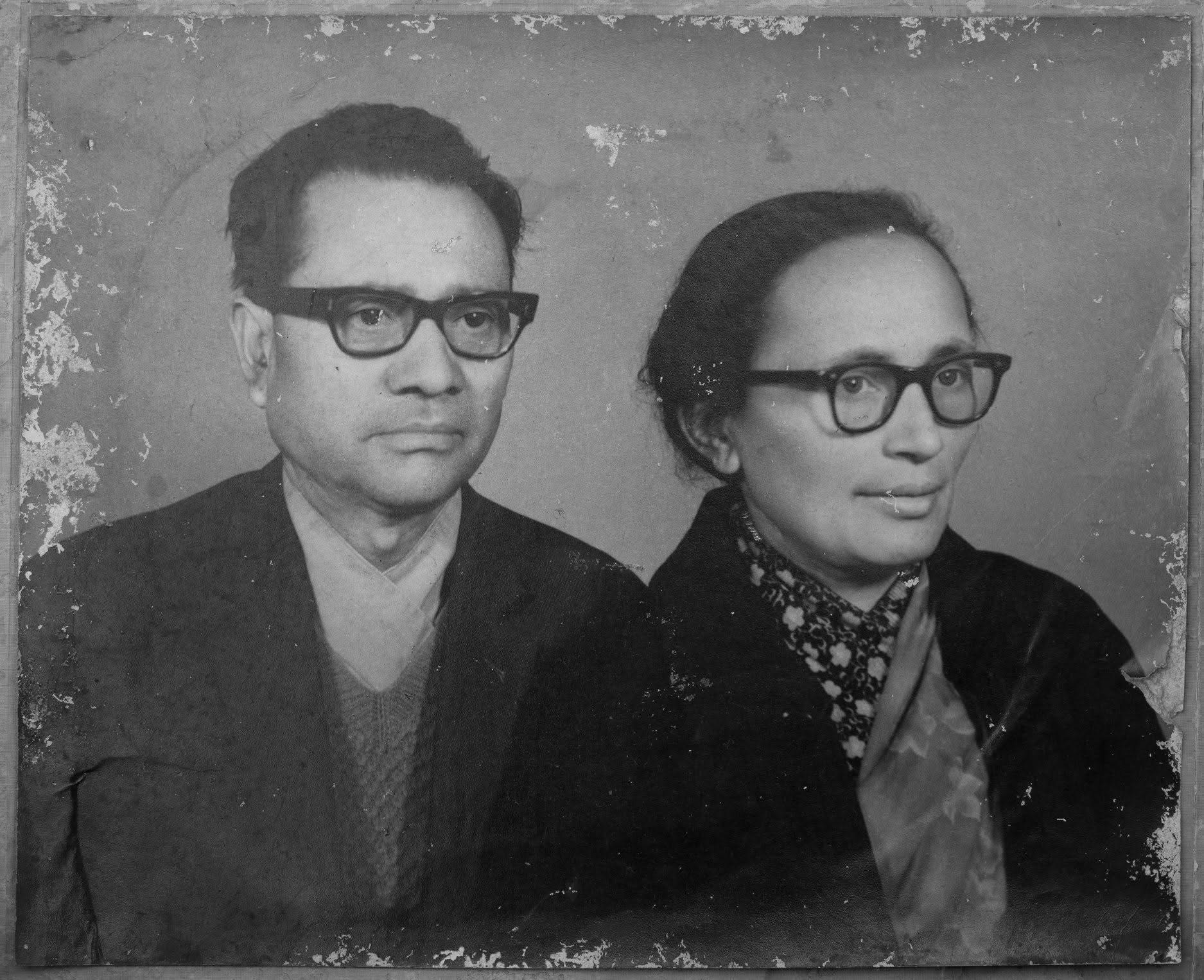
The Unfading Legacy of Heera Devi Yami: A Mother, A Patriot, and A Pillar of Kathmandu Valley

Read More

Revisiting a Literary Icon: New Book Examines the Female Characters of Dharma Ratna Yami

by Prof. Timila Yami Thapa. in DHMA Blog

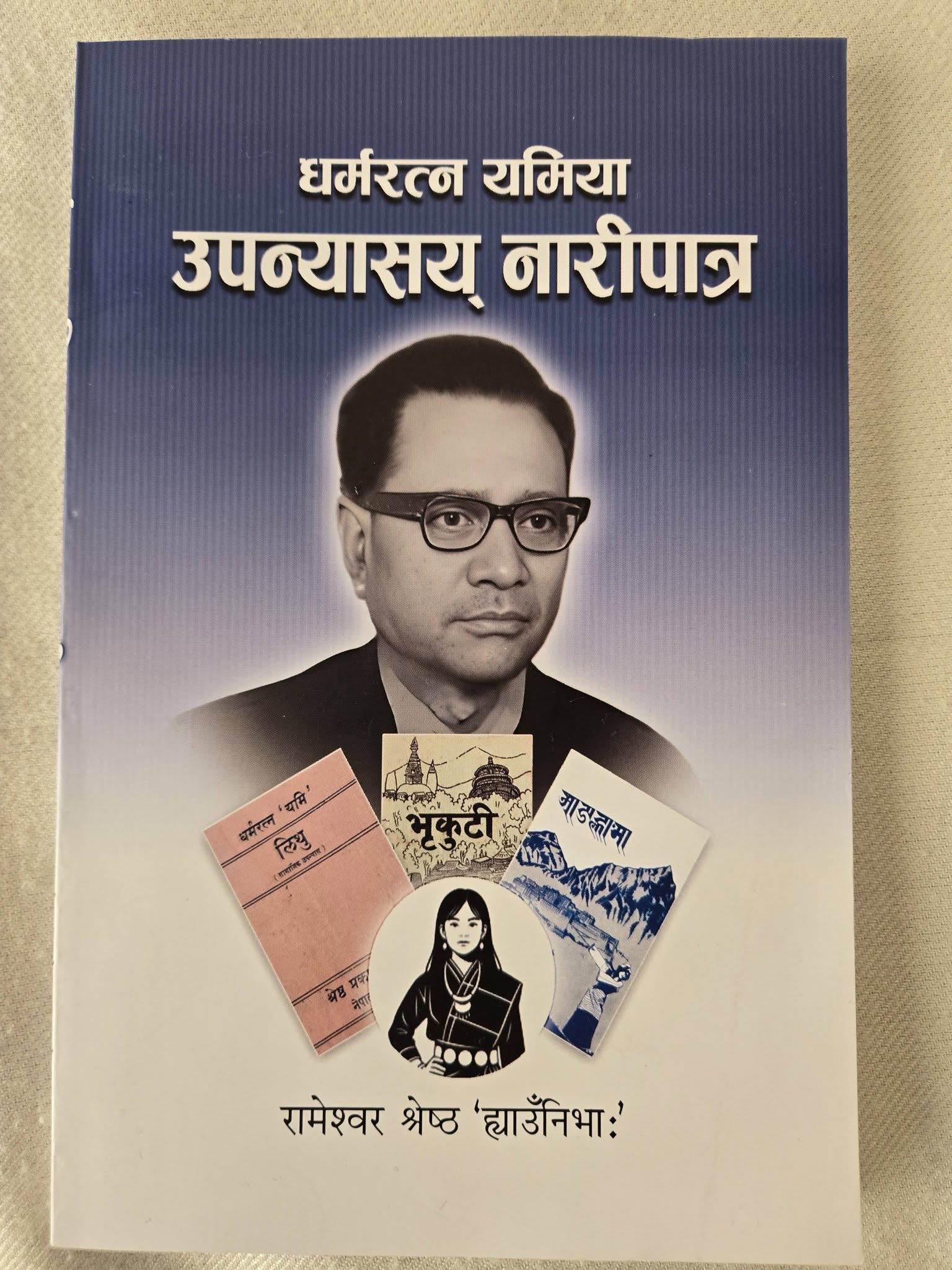
Former Prime Minister Dr. Baburam Bhattarai has launched ‘Dharmaratna Yamiya Upanyasay Naripatra’ (Female Characters in the Novels of Dharmaratna Yami), a new research book by Rameshwar Hyaunmibha and published by the Dharmahira Memorial Foundation. Examining the female protagonists in Yami’s landmark novels—‘Lithu’, ‘Bhrikuti’, and ‘Anglhamu’—the book celebrates the statesman and writer's enduring legacy in social transformation.

At the launch, Nepal Bhasa scholars praised the work while offering constructive insights for a second edition, encouraging deeper feminist analysis and stronger social context. Echoing Nepal’s constitutional commitment to preserving all national languages, the event serves as a powerful call to champion linguistic diversity and honor our shared literary heritage.

Read More

Rethinking Ethics: Why the Legacy of Dharmaratna Yami and Hira Devi Yami Matters in the Age of AI

by Prof. Timila Yami Thapa. in DHMA Blog

From writing revolutionary books behind Rana-era prison bars to hosting global thinkers like Dr. B. R. Ambedkar and Rahul Sankrityayan at Yami Chhen in Kathmandu, the legacy of Dharmaratna Yami and Hira Devi Yami holds urgent lessons for today's youth. True democracy begins with equality at home, and in an era of instant AI summaries, primary human stories matter more than ever. Discover why their Trans-Himalayan vision is vital for building a peaceful, ethical future across borders.

Read More

Rethinking Ethics in 2026: Honoring Living Wisdom Over Stone and Building Home Archives

by Prof. Timila Yami Thapa. in DHMA Blog

Every week, our 85+ mothers, grandmothers, and great-grandmothers pass away, taking centuries of unwritten wisdom with them. For Global Ethics Day 2026, under the theme "Rethinking Ethics," let’s make 2026 the year Nepal’s children and grandchildren put down their mobile phones, sit beside their elders, and build Home Archives.

Read More

Beyond Temple Politics: Engineering, Truth, and the Intergenerational Alliance Nepal

by Prof. Timila Yami Thapa. in DHMA Blog

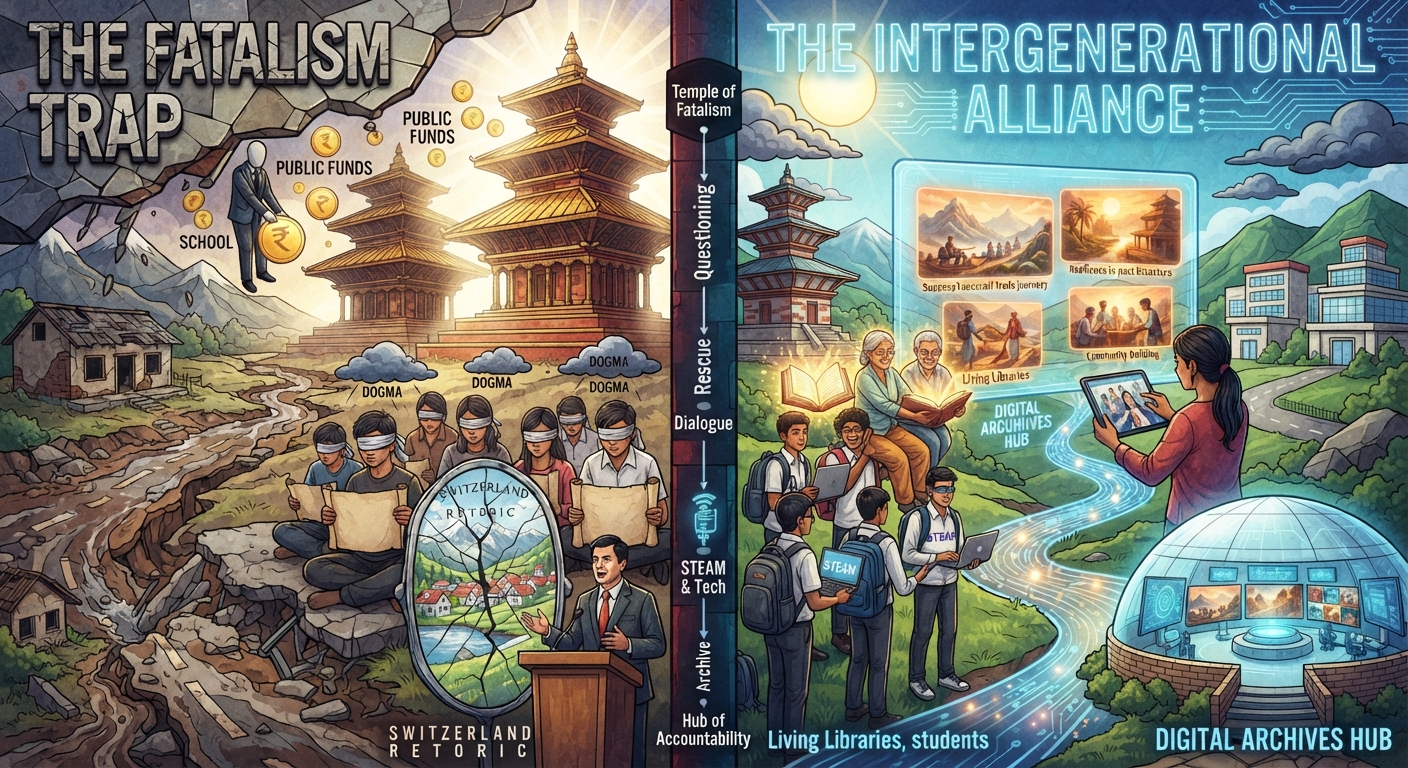
For decades, Nepali leaders have promised to build a "Switzerland," yet they pour public funds and disaster aid into ceremonial stone temples while schools crumble and mountain highways wash away every monsoon. In the age of AI, trading engineering for fatalism isn't just wasteful—it’s dangerous.

Instead of using senior citizens as political props at temple gatherings, Nepal must unleash an intergenerational powerhouse: pairing our elders—who are living libraries of courage, disaster survival, and Lhasa Newar enterprise—with tech-savvy youth. By shifting public investment from performative rituals to STEAM education and AI-powered digital archives, Nepal can replace blind obedience with critical thinking, accountability, and real scientific progress.

Read More

Breaking the Silence: Rethinking Ethics, Fatalism, and Governance in Nepal

by Prof. Timila Yami Thapa. in DHMA Blog

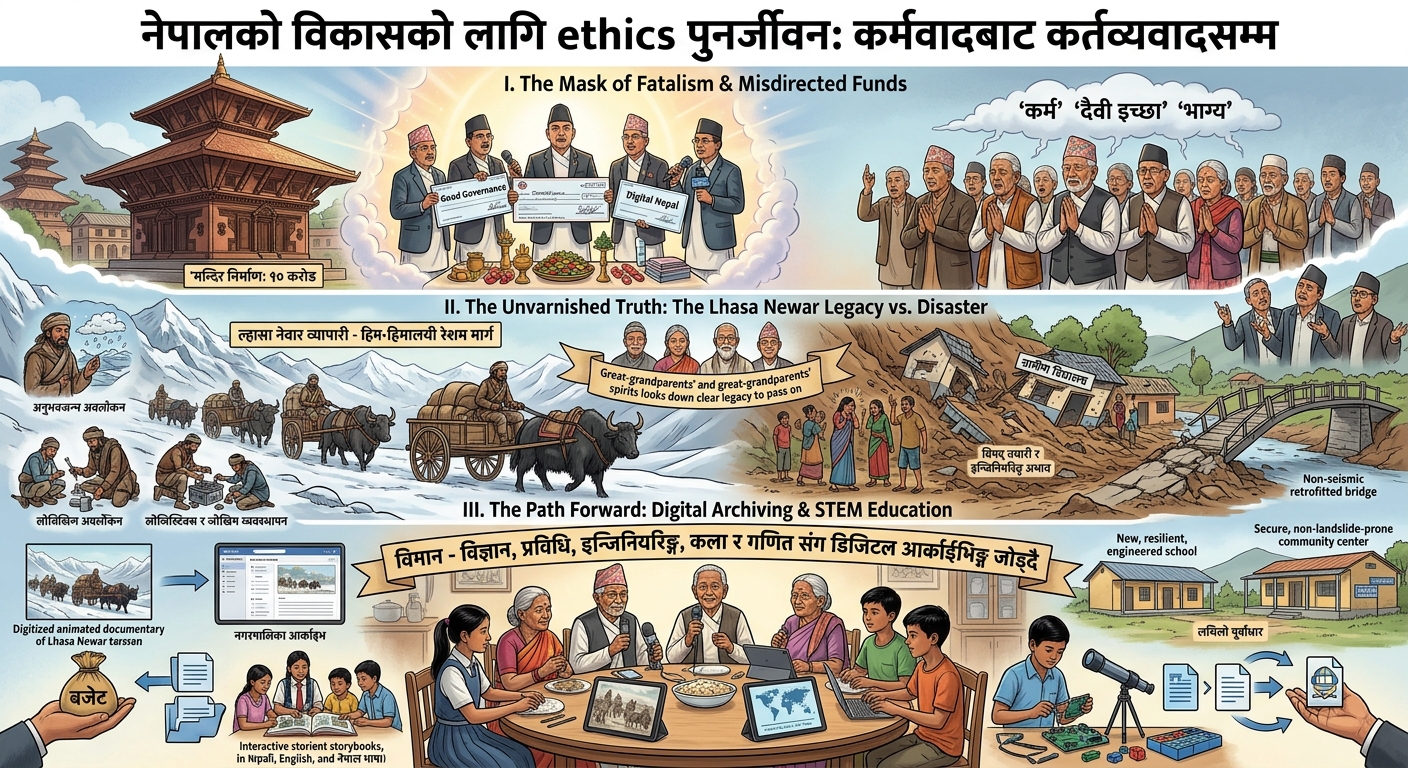
Real Nepali culture isn’t found in superficial ritualism; it lives in the bold, entrepreneurial grit of the Lhasa Newars, who mastered trans-Himalayan trade and built international ventures through smart logistics and courage. It’s time to shift municipal funds from stone temples to digital archives. By leveraging modern AI tools before our elders fade away, we can capture generations of ancestral survival wisdom. Fusing these digital archives with STEM education for rural and urban youth transforms passive fatalism into active scientific inquiry, critical problem-solving, and personal accountability.

Read More

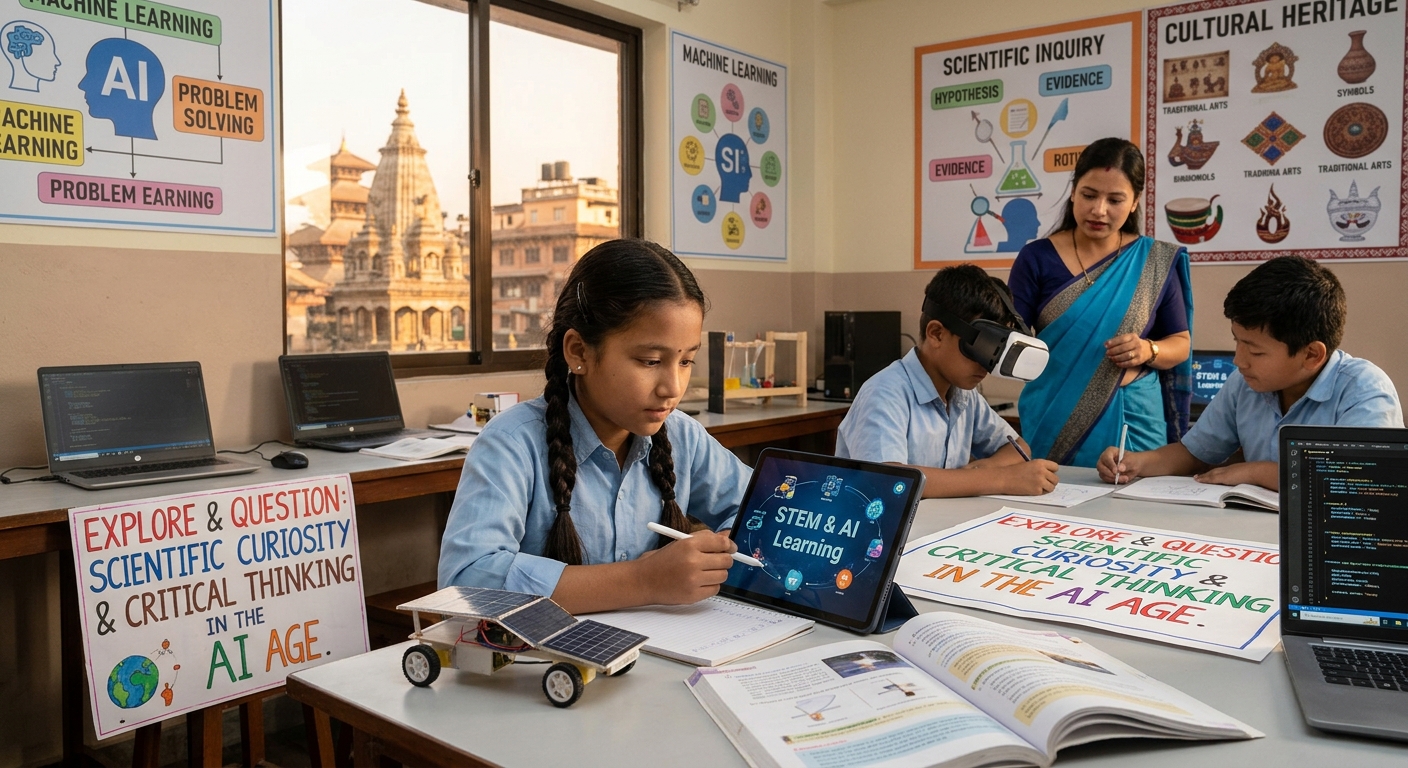
Raising Children in the Age of AI: Why We Need Real Curiosity

by Prof. Timila Yami Thapa. in DHMA Blog

The greatest concern is not religious belief itself, but rather when religious involvement supplants vital skills such as scientific curiosity, continuous education, independent judgment, critical examination of social practices, compassion for diverse opinions, and the openness to evidence that challenges existing beliefs.

Read More

Breaking the Silence: Rethinking Ethics, Fatalism, and Governance in Nepa

by Prof. Timila Yami Thapa. in DHMA Blog

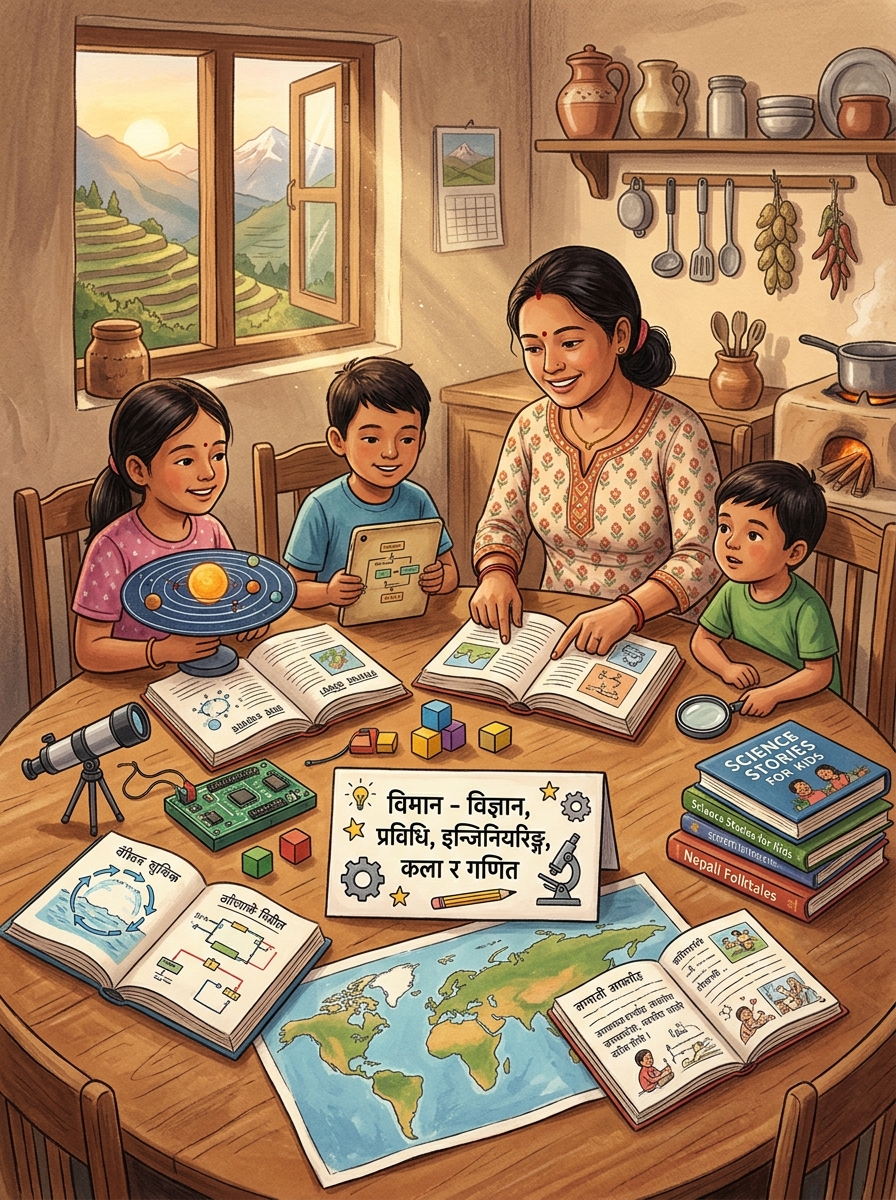
Empowering women and mothers through STEM education and honest ancestral storytelling creates an unbreakable foundation of critical thinking for the next generation. True progress requires dropping the old myth that disasters and underdevelopment are "God's will," and embracing science, engineering, and personal accountability.

Read More

What Kind of Society Are We Passing to the Next Generation?

by Prof. Timila Yami Thapa. in DHMA Blog

The Legacy of Heera Devi Yami: Honors Heera Devi Aama as a model of grassroots justice and courage—from advising illiterate citizens on property disputes alongside the Pancha Bhaladami at Kathmandu’s local Falchas and assisting people in the courts of Charkhal Adda in Dillibazar despite chronic illness, to risking her life in the democratic freedom movement.

Read More