DHMA
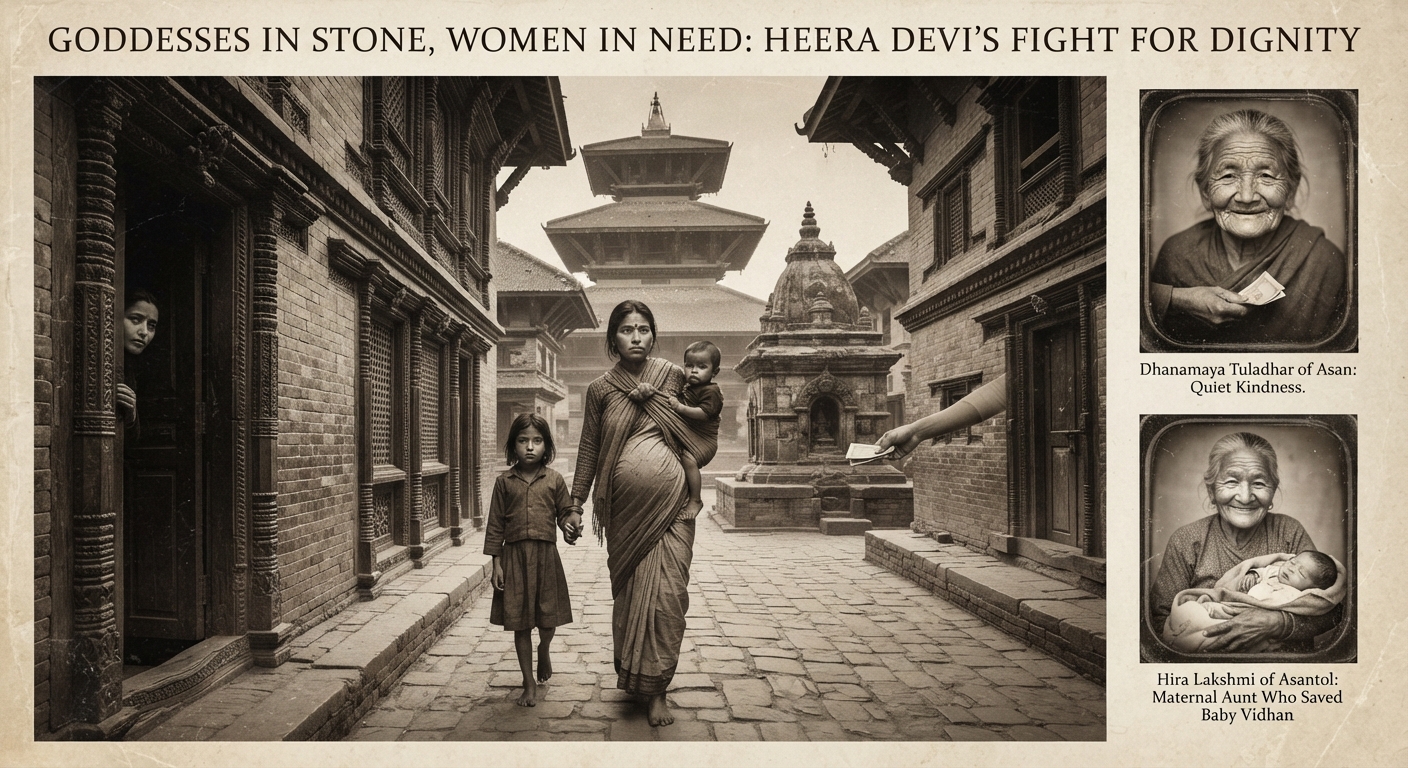
The Goddesses We Worship and the Women We Abandon
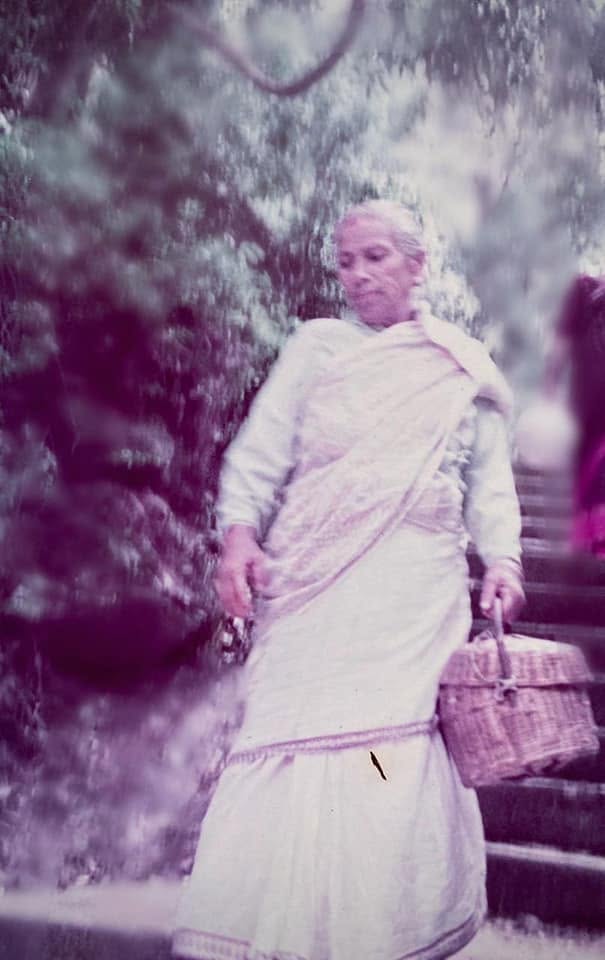
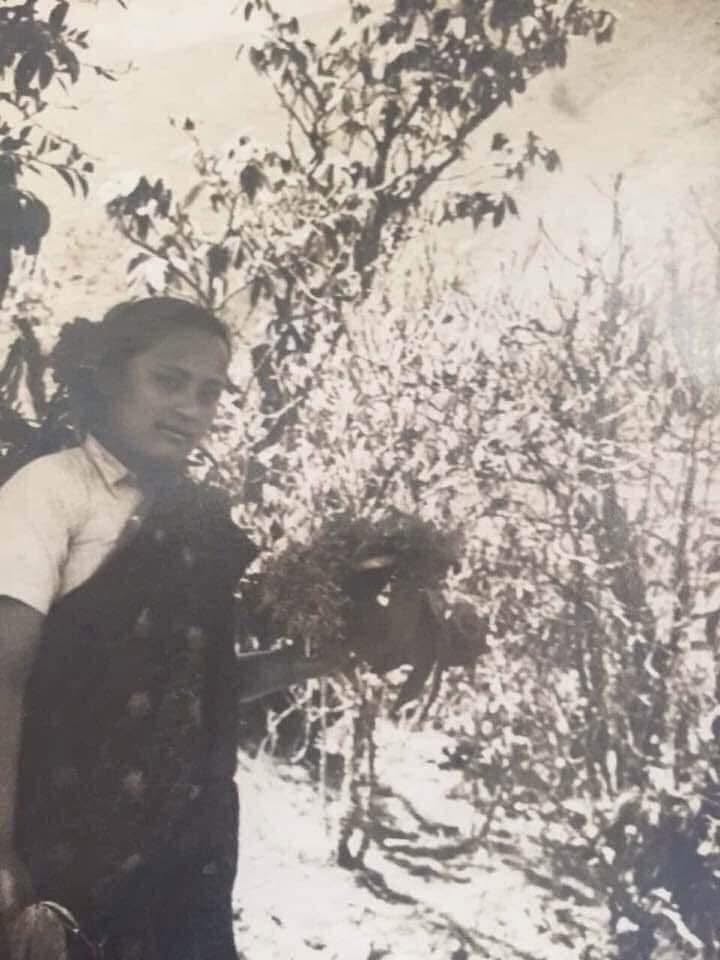
The Unfading Legacy of Heera Devi Yami: A Mother, A Patriot, and A Pillar of Kathmandu Valley
Storytelling
The Unfading Legacy of Heera Devi Yami: A Mother, A Patriot, and A Pillar of Kathmandu Valley
True history isn't just made by speeches on stage. It is built on the silent courage, sacrifice, and integrity of women who protect their families and principles behind the scenes.
In the Smritigranth of Dharmaratna Yami, prominent political leader Tulsilal Amatya emotionally honored Heera Devi as a "mother, sister, and goddess" for taking on the dangerous and humbling responsibility of caring for activists and disposing of waste when no one else would.
In the early 1970s, travel from Kathmandu to IIT Kanpur naturally routed through Patna, India, turning routine transit stops into inspiring chapters of my youth.
Shaped by generations of Trans-Himalayan trade resilience, she possessed exceptional strategic intelligence and worldly exposure.
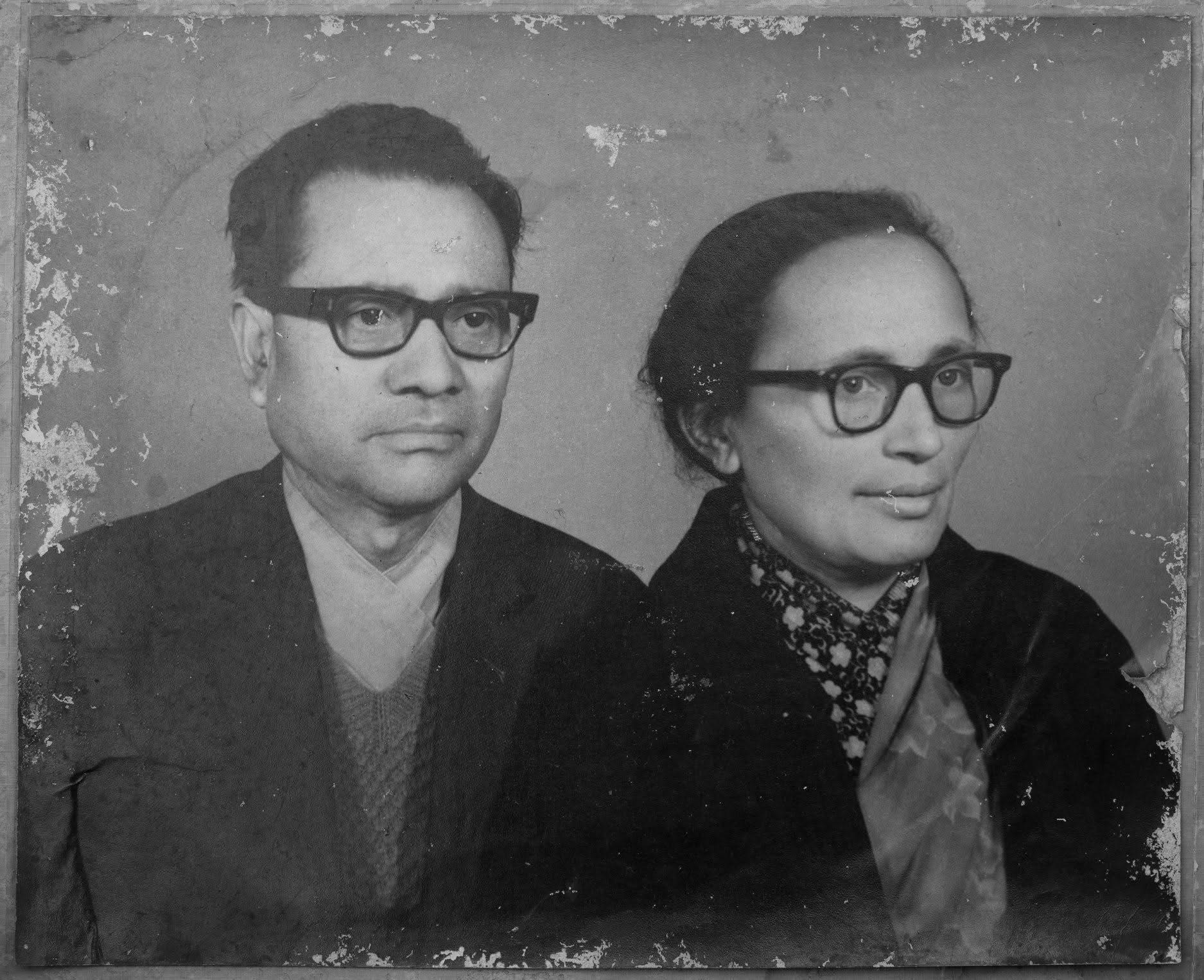
As a sickly child, Heera Devi Yami was forbidden from eating eggs due to strict Newar taboos. Her polio-stricken uncle, Moti Kaji Kansakar, secretly roasted eggs for her in warm charcoal ashes and hid the shells in distant canals. Years later, in the 1950s, Heera Devi and her husband Dharma Ratna Yami openly defied these superstitions by running a 200-bird poultry farm on their rooftop, boldly championing science and nutrition over dogma.
Heera Devi Yami’s covert education fueled her eventual leadership in Nepal’s movement for democracy and women's rights, proving that intellectual empowerment stems from curiosity and moral courage rather than formal schooling.
The Woman Under the Shawl: Heera Devi Yami and the Price of Freedom
In honoring Heera Devi Yami through oral history, we affirm a broader truth: that history is sustained not only by those who lead from the front, but by those who endure, nurture, and hold communities together when visibility is dangerous and survival itself is an act of courage.