 DHMA
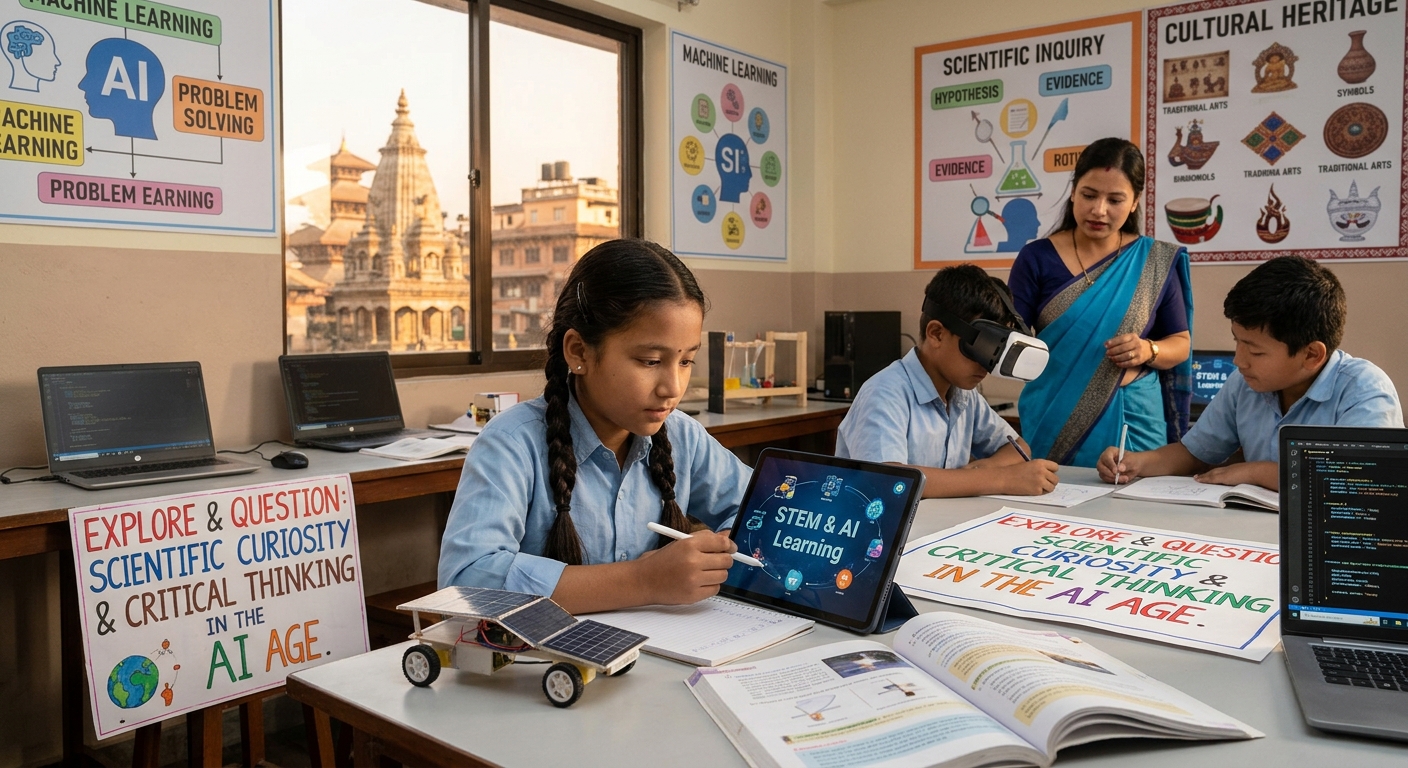
Today, children are growing up in a world shaped by artificial intelligence, smart algorithms, and endless digital information. From a very young age, technology influences what they see and how they learn. But while it is important for kids to understand computers and technology, their most important skill for the future is the ability to think for themselves.
In our societies, cultural and religious traditions give us a strong sense of identity, roots, and community. However, as the fast-moving digital world meets traditional life, a quiet challenge appears. When learning stops asking questions, healthy respect for tradition can turn into blind obedience. In a time when AI can easily give answers and spread misinformation, teaching children how to question, test ideas, and think critically is essential for their freedom and for society to move forward.
When Faith Replaces Curiosity
The biggest worry today is not whether someone believes in God, follows traditions, or spends time chanting mantras. Cultural and spiritual roots can be very grounding.
The real danger happens when religious or cultural involvement replaces:
Scientific curiosity and the desire to understand how the real world works through observation and testing.
Education and lifelong learning, replacing active thinking with blind rules.
Independent judgment, which leaves people easily manipulated.
Critical thinking about social practices, stopping society from outgrowing harmful traditions.
Compassion and respect for different opinions, reducing human relationships to rigid "us versus them" thinking.
The willingness to accept new evidence that challenges old beliefs, stopping personal growth. In the end, simply performing outward rituals does not make a good person. Someone can spend hours on religious ceremonies and still lack empathy, honesty, scientific understanding, or good ethical behavior. To prepare our children for the future, we must help them balance their cultural roots with an open, inquiring, and evidence-based mind. True wisdom means using our brains to question, learn, and care for one another in a rapidly changing world.