 DHMA
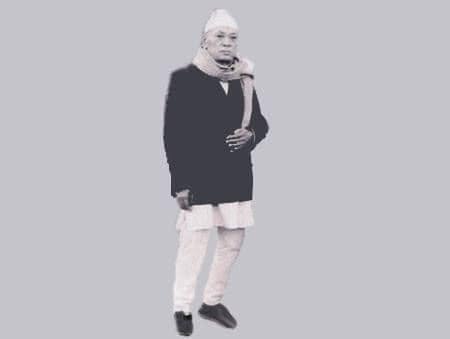
Kathmandu Valley is famous around the world as the "City of Temples." People here spend huge amounts of money on rituals, feasts, gold, and stone statues. Even in 2026, we spend a lot of money to honor stone gods. At the same time, we are forgetting the living libraries inside our own homes: our very old mothers, grandmothers, and great-grandmothers who are 85 years old and above.
These elders carry huge amounts of knowledge in their minds—stories, skills, and lessons told to them by their parents, grandparents, and great-grandparents. Every week, these elders pass away, and their stories disappear forever.
Under the Global Ethics Day 2026 theme, "Rethinking Ethics," we must make 2026 a year to remember in Nepal—by encouraging young children and grandchildren to put down their phones, sit beside their 85+ elders at home, and turn their memories into lasting family archives.
Using the Four-Way Test in Nepal in 2026
We can check our actions using four simple questions:
Is it the TRUTH?
Stone temples will stand here for hundreds of years, but human memory will not. An 85-year-old grandmother knows how people lived before 1950—how old water spouts (hitis) worked, how local herbs cured sickness, and how people survived big earthquakes. That living knowledge is much more precious than stone.
Is it FAIR to all concerned?
It is not fair to treat old people like they have nothing left to give. It is also not fair to our children and grandchildren. Young people today feel lost and want to leave Nepal because they do not know the strength, struggles, and wisdom of their own ancestors.
Will it build GOODWILL and BETTER FRIENDSHIPS?
Today, mobile phones separate grandparents and grandchildren living in the same house. When a child sits down with a grandmother to listen and ask about her life, loneliness disappears and deep family love grows.
Will it be BENEFICIAL to all concerned?
Instead of spending everything on expensive rituals, saving the voices, photos, and life stories of our elders in a home archive gives a real compass to our children and future generations.
The Forgotten Heroes of the Tibet Trade: Our Great-Grandmothers
Long ago, many men from Kathmandu Valley walked across high, freezing, and dangerous mountains to Tibet (Lhasa) and India to do business. They brought wealth back to Nepal. History books talk a lot about these men, but nobody wrote about the women left behind at home.
During our great-grandparents' and great-great-grandparents' time, many men died on those dangerous mountain paths from snowstorms, floods, landslides, and earthquakes. Their wives and mothers stayed back in Kathmandu and ran big joint families all alone for many years—sometimes for their whole lives.
When children and youth sit with our 85+ grandmothers today, we learn about two big dangers these women faced:
1. Problems at Home and in the Neighborhood
Cheating Over Land and Money: In those days, the law did not give women equal rights to land or house property. When a husband died in Tibet, greedy relatives or local moneylenders often tried to steal the family's house, land, or money. The women had to fight alone to protect their children's home.
Years of Waiting Without News: There were no phones, and letters took many months to arrive. A wife often waited for years without knowing if her husband was alive or dead.
Hard Life as a Widow: When a husband died, society put many strict rules on the widow. Even while suffering, these mothers worked hard to feed their children and care for old in-laws during hard times and the big 1934 earthquake.
2. Political Dangers Under Strict Rulers
Fear of Government Spies: Because traders went to India and Tibet, the strict Rana rulers watched these families closely. They feared traders would bring banned books or ideas about freedom. Women at home had to hide letters and books to keep their families safe from arrest.
Protecting Language and Culture: When rulers tried to stop people from writing in their mother tongue (like Nepal Bhasa) or practicing their faith freely, women kept their culture and stories alive safely inside their homes.
Secret Education for Girls: In those days, girls were not allowed to go to school. Brave mothers and grandmothers arranged secret lessons inside neighborhood courtyards so their daughters could learn to read and write.
A few brave women writers—like Moti Laxmi Upasika, Deb Shova Kansakar Hilker, and Hisila Yami—wrote about women’s pain, rights, and freedom. Still, the personal stories of most great-grandmothers in our neighborhoods have never been written down.
Why Children and Future Generations Need These Stories
Saving these stories is not just about looking at the past. It helps our children build a better future:
Knowing Their Rights: Children learn why equal rights for women and proper legal papers are so important to protect families from being cheated.
Helping Each Other in Hard Times: Children learn how neighbors and Guthis helped each other survive earthquakes and hard days without waiting for the government.
Quiet Bravery: Children learn that true courage does not always mean shouting in the streets. Sometimes, courage means protecting your family, teaching girls in secret, and never giving up hope during dark times.
How Children and Families Can Build a "Home Archive" in 2026
We do not need big money from outside to remember 2026 as the year Nepal saved its living history. Every household, school, and youth club in Kathmandu Valley can start today:
Sit Together Every Week: Children and grandchildren can sit with their grandmother or grandfather every Saturday for 30 minutes with a simple mobile phone voice or video recorder.
Ask Simple Questions in Your Mother Tongue: Talk in Nepal Bhasa, Nepali, or your local language. Ask: "What was your childhood like? What did your mother and grandmother tell you about hard times? How did women protect the family when men were far away?"
Open Old Boxes Together: Take out old letters from Tibet, faded family photos, and old account books kept in wooden boxes. Ask your elders to name the people in the photos and explain what the letters say, then take clear photos of them with a phone.
Use Ritual Money to Print Family Books: Instead of spending everything on big feasts and rituals, families can use a small part of that money to print a simple booklet of their 85-year-old grandmother's life story for all grandchildren to keep.
In the City of Temples, true goodness is not shown by putting more gold on stone statues while our old mothers sit unheard. If 2026 is remembered as the year Nepal’s children sat at the feet of their 85-year-old grandmothers to build home archives, we will give the next generation something far stronger than stone: the living wisdom, legal awareness, and quiet courage of their own ancestors.