 DHMA
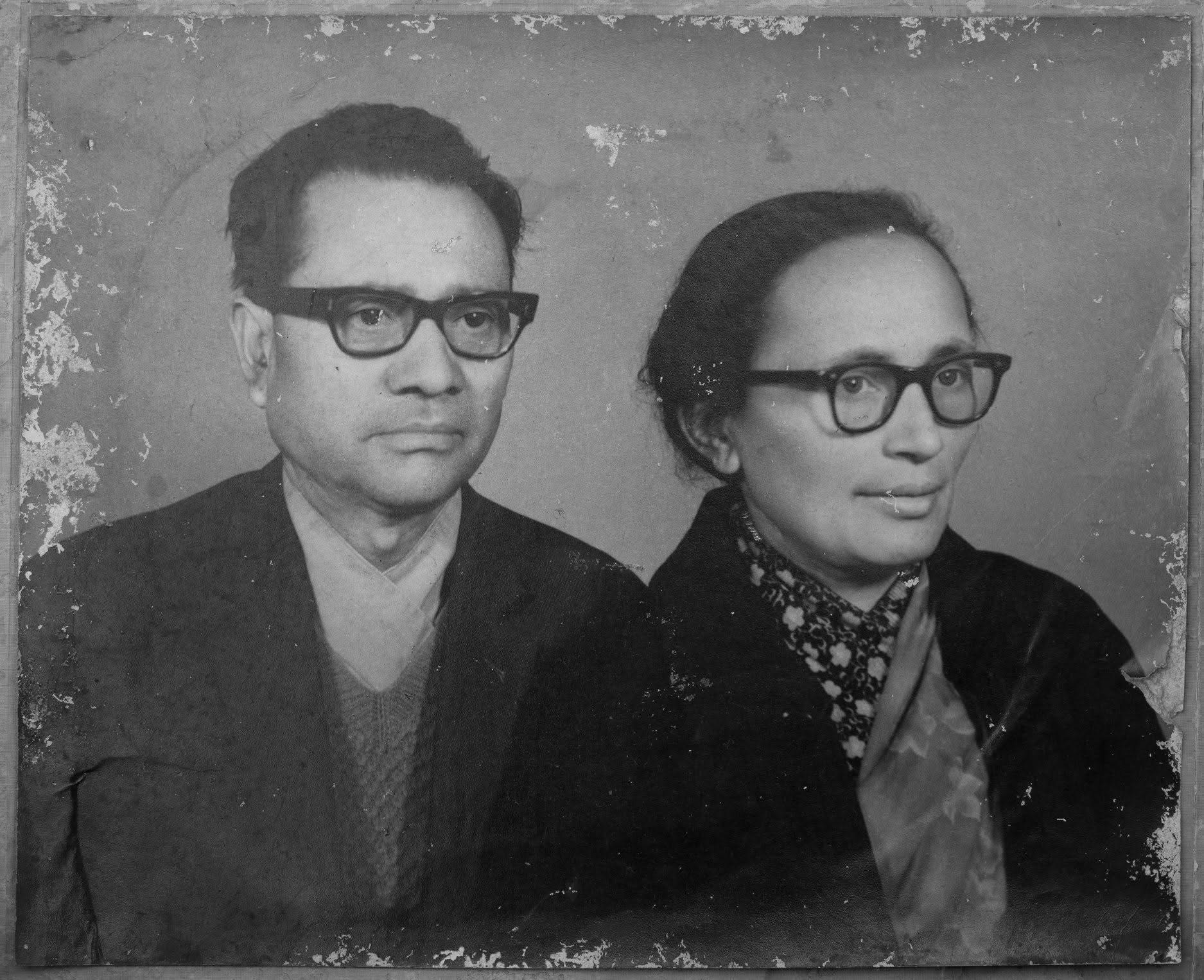
As the world marks International Ethics Day under the new theme "Rethinking Ethics", the life and writings of Dharma Ratna Yami become even more important today. His historic friendships with great scholars like Mahapandit Rahul Sankrityanan and Dr. B. R. Ambedkar represent an important but often overlooked chapter of Trans-Himalayan history. Their lives teach us what moral courage, honest thinking, and human equality mean in our modern world of Artificial Intelligence and global challenges. Saving and translating this heritage for young people in Nepal, India, China, and around the world is urgent and necessary.
Strong Will in Hard Times: Writing Books in Prison
People know Dharma Ratna Yami as a brave freedom fighter, politician, and social reformer. He had received eighteen years jail term in prison fighting for democracy. Even while suffering great pain and having almost no resources inside Rana-era jails, he wrote famous books and created his best literary works. His life shows that prison walls cannot lock up a free mind. We should teach his journey of hard work and courage in schools across Nepal so that children can learn from him.
A Meeting Place for Great Minds: Yami Chhen
During a time of great political awakening in South Asia, the Yami family home (Yami Chhen) in Kathmandu was much more than a house. It was a safe meeting place for new ideas, Buddhist studies, and talks about freedom from colonial rule. Dharma Ratna Yami’s sharp mind attracted some of the world's greatest thinkers to Kathmandu. Famous Indian scholars like Dr. B. R. Ambedkar and Mahapandit Rahul Sankrityanan visited and stayed at Yami Chhen. Rahul Sankrityanan stayed there several times and even wrote Dharma Ratna Yami's life story. The fact that these world-famous scholars respected him shows how brilliant he was.
Hira (Also known as Heera) Devi Yami’s Moral Strength and Social Reform
Rethinking ethics also means honoring brave women who fought unfairness at home and in society. Dr. B. R. Ambedkar praised Hira Devi Yami as a woman of strong principles. This shows the vital role women played in building the moral foundation of Nepal’s democratic and social reform movements. At a time when girls were discouraged from going to school, Hira Devi Yami, the freedom fighter, secretly taught young girls how to read in Kathmandu. She also stood beside women fighting for their legal rights and dignity. Together, Dharma Ratna Yami and Hira Devi Yami lived by a vital truth that still matters today: democracy on the streets cannot survive if families remain unequal and unfair.
In his famous Nepal Bhasa novels—such as Lithu ("Second Wife") and Ang Lhāmo—Dharmaratna Yami did not show women as weak victims or decorations. Instead, he used his writing to expose unfair family traditions. He wrote against male dominance, polygamy, child marriage, and women's lack of financial freedom. New research keeps this message alive. This includes Rameshwor 'Hyaunibha'’s book Dharmaratna Yamiya Upanyasay Naripatra (Female Characters in the Novels of Dharma Ratna Yami), the Dharma Ratna Yami Smriti Grantha, and Master’s theses written by students at Tribhuvan University and the Central Department of Nepal Bhasa at Patan Multiple Campus. Together, they show our youth that gender justice and critical thinking are already part of our own mother-tongue literature.
Reaching Across Borders: Reply from Tibet and Regional Peace
Dharma Ratna Yami wrote fluently in Nepal Bhasa, Nepali, Hindi, and English. This allowed his ideas to connect local life with global discussions.A great example is his famous book Sandeyā Lisah (Reply from Tibet), which he wrote during his most painful days in jail under the Rana regime. This book is a complete Trans-Himalayan travel story full of historical facts, and it also looks closely at women's issues. It has already been translated into English, Nepali, and Chinese. A Hindi translation is currently in press, and many people want it translated into Tibetan as well. Today, the Himalayan region faces sensitive geopolitical tensions and serious natural disasters. Reading Reply from Tibet helps our young generation understand our shared history and build peaceful ties across borders.
Original Thinking in the Age of AI
Today, information is instantly available on mobile phones and through Artificial Intelligence. In this AI era, rethinking ethics means protecting original thought, creative writing, and critical thinking. AI can quickly summarize large amounts of text, but its best use is helping us digitize, translate, and share real human stories. Passing down true primary accounts—like Dharmaratna Yami’s books and Rahul Sankrityayan’s biography of him—ensures that young people learn deep, honest history rather than shallow computer summaries.
Passing the Torch to the Next Generation
To celebrate International Ethics Day in a meaningful way, we must share this legacy with today’s youth in Nepal, India, China, and around the world. Translating these key books into digital archives, multiple languages, and clear stories helps connect older and younger generations.Through the work of the Dharma Heera Memorial Academy, passing these hard-won lessons to the next generation prepares our youth to face a complex world with smart thinking, strong ethics, and a commitment to human equality.