 DHMA
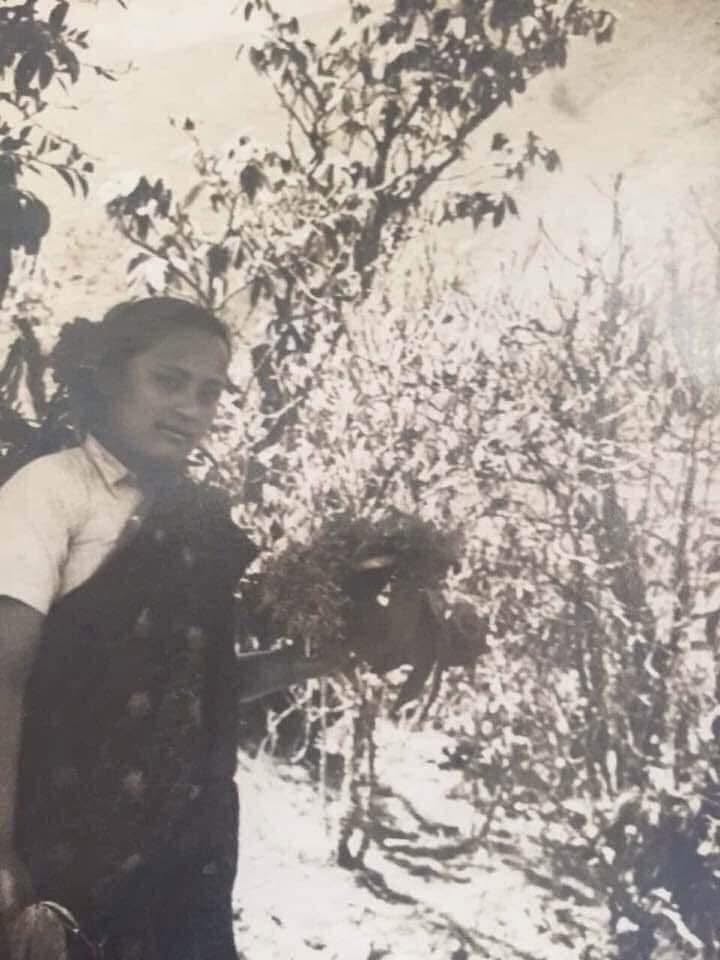
Life in the Old Alleys and the Courage of Moti Kaji Kansakar
When Heera Devi Yami was a young child, she fell ill. In early 20th-century Kathmandu, long before modern antibiotics were available, getting good food and high protein was one of the few ways a sick child could recover. However, traditional Newar families—especially high-caste Tuladhar households—followed very strict rules about food and purity. Raising chickens, eating chicken meat, and eating eggs were completely forbidden.
In the neighborhood, families known as the Kulpushle kept chickens in their upper attics and balconies. Sometimes, these chickens would wander onto the balcony of Heera Devi’s large family home, where she lived with her grandfather and three uncles. If a chicken even stepped onto their porch, the family treated it as a major spiritual disaster. They had to call a priest (pandit), wash and clean the entire house from top to bottom, and pray to keep bad luck away. Because of these strict beliefs, eggs were banned, and chicken was never allowed near the kitchen.
In the middle of this conservative household lived her youngest uncle, Moti Ba (Moti Kaji Kansakar). Having contracted polio as a child, both of his legs were paralyzed, and he had to move around by crawling on his hands and knees. Yet, it was Moti Kaji who noticed how dangerously weak little Heera Devi was becoming.
Before houses had electricity, families kept warm during cold Kathmandu winters using clay or metal pots filled with charcoal (sigri or anga). Understanding that the sick child needed nutrition to survive, Moti Kaji used the gentle heat of the charcoal anga to secretly boil eggs for her. Every morning, he would quietly hand or toss a cooked egg through the back window into Heera Devi’s room so no one else would see.
Hiding the eggshells was even harder. If anyone found an eggshell in the house, the family would panic and perform costly cleansing rituals. Moti Kaji had to wrap the broken shells tightly in paper, crawl out of the house unnoticed, and make a painful journey on his hands and knees to throw them far away in a city canal. Through this secret act of love, Moti Kaji showed that human life and good health were far more important than blind superstition.
Why Were Chickens and Eggs Taboo?
To understand why Moti Kaji’s act was so risky, it helps to look at why Newar society feared poultry back then:
Cleanliness Rules: Chickens were seen as dirty birds that scavenged for waste in the streets. High-caste families believed that eating an animal that ate trash would ruin their spiritual purity.
Tantric Traditions: While Newar rituals often included buffalo or goat meat, chickens were never offered to sacred Hindu or Buddhist deities. Ducks, on the other hand, were considered clean aquatic birds, making duck meat and duck eggs acceptable, while chicken remained forbidden.
Crowded Living: In old Kathmandu, townhouses stood right next to each other around shared courtyards (bahals). Keeping free-roaming chickens caused waste and smells, so neighborhood rules strictly banned them to keep shared living areas clean.
Standing Up for Change in the 1950s
Years later, following the 1951 democratic revolution, Heera Devi's husband, Dharma Ratna Yami, was appointed as a Deputy Minister in Nepal's new government. Determined to promote modern science, social reform, and public health, the couple decided to challenge these old dietary taboos open and publicly.
On the top floor (the fifth floor) of their home, they set up a rooftop chicken farm with around 200 chickens. They put wire mesh all around it so everyone walking on the street below could clearly see inside.
The community was furious. Angry neighbors pointed at the house and accused the family of bringing bad luck to the whole neighborhood. Conservative critics even gave Deputy Minister Dharma Ratna Yami the mocking nickname "Khha Khaun Mantri" ("The Chicken-Eating Minister"). Opponents tried to organize a social boycott, telling people not to let Heera Devi or Dharma Ratna into their homes. But they refused to back down, insisting that science and health matter much more than fear and old rituals.
How Traditions Lingered Across Generations
Even today, remnants of these old beliefs still exist. In historic towns like Khokana, families still follow strict traditional customs, keeping poultry out of the main historic town area.
How deep these habits run was shown just last year. Heera Devi’s step-sister was visiting her grandchildren in the United States when she fell down the stairs and hurt her hands. While she was recovering, her grandchildren urged her to eat eggs and chicken broth to regain her strength. It was the very first time in her long life that she ever tasted poultry.