 DHMA
Introduction
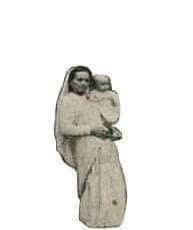
The fight for democracy and basic human rights in Nepal was not won easily. It was built on the immense sacrifices, pain, and courage of individuals who stood on the front lines. Among them, Heera Devi stands out as a powerful example of endurance. Her life story—shaped by her family's history, her early exposure to the world, and her fierce struggle during the anti-Rana movement—highlights the heavy, often hidden tolls borne by women in political movements.
Roots of Resilience: The Lhasa Newar Heritage
Heera Devi grew up immersed in a unique and challenging environment. For generations, her family and community were part of the Lhasa Newar merchant diaspora, traveling and trading across the Trans-Himalayan Silk Road. This route stretched from Kathmandu through Kalimpong and Tibet all the way down to Calcutta.
Living across these borderlands was never safe or easy. Her community constantly faced political uncertainty, shifting regimes, and the harsh realities of long-distance trade. Growing up amidst this background gave Heera Devi a sharp, intelligent, and highly strategic mind. Her early days in major trade and political hubs like Calcutta and Kalimpong exposed her to how larger political systems worked and taught her how to survive and adapt against impossible odds.
Exile and Resistance in Madhuban
When the political situation grew dangerous under the autocratic Rana regime, freedom fighters had to flee. Dharma Ratna managed to escape from Kathmandu and traveled to mobilize the Nepali diaspora across Sikkim, Darjeeling, Kalimpong, and Patna.
Heera Devi and Dharma Ratna went to Madhuban, Bihar (India), which served as a crucial sanctuary for underground female activists during both the Indian movement against the British regime and the democratic struggle in Nepal.
Even while pregnant, Heera Devi did not stop working for the cause. She used her knowledge to organize women, teaching them practical self-reliance skills such as stitching, weaving clothes, and making blankets and covers. These skills were vital for supporting underground workers and building a covert support system. Because she possessed deep organizational knowledge and stood shoulder-to-shoulder with the movement, the Rana rulers targeted her with special severity.
The Severe Toll of Persecution
Because of her active role, Heera Devi faced brutal retaliation from the authorities and severe hostility from society:
Extreme Hardship and Violence: During her first pregnancy in Madhuban, she endured starvation.
Isolation and Fear: She fought for democracy and the right to vote at a time when women were too terrified to come out onto the roads. Many of her programs were sensitive, critical, and dangerous, and she often had to carry them out completely alone while other so-called claimed women leaders were nowhere to be found.
Community Hostility: She faced immense psychological abuse not just from authorities, but also from local people, relatives, and neighbors who threw mental abuses at her and ostracized her.
Survival Against All Odds: The Birth of son Vidhan Ratna
On Magh 1, 2005 (Vikram Samvat BS), under harrowing conditions of arrest, starvation, and extreme cold surrounded by security forces, her child, Vidhan Ratna, was born.
Both the mother and the newborn suffered immensely, with little to no hope of survival. The infant became severely sick and skeletal. In this darkest hour, Laxmi Hera Tuladhar the mother's sister of Heera Devi) of Jwabahal, stepped in, taking away the dying baby and promising to save him, Through fierce compassion and intervention, the child survived.
Conclusion
The story of Heera Devi is a testament to the unyielding spirit of women in Nepal's democratic history. She combined the tactical survival skills of her Lhasa Newar heritage with grassroots organizing and immense personal sacrifice. Her life reminds us that the freedoms we enjoy today were forged through deep suffering, unmatched courage, and the relentless endurance of women on the front lines.