 DHMA
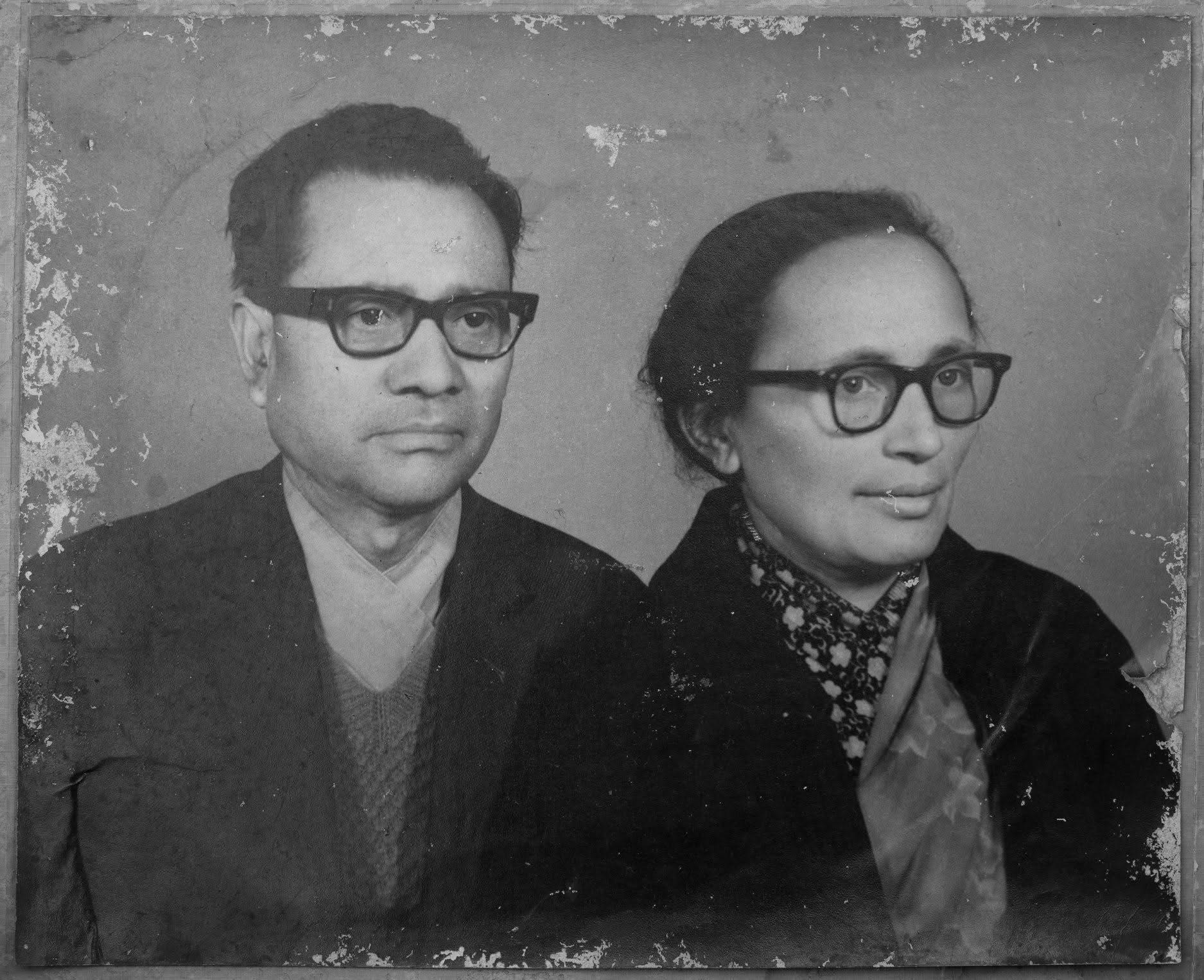
Reflections on journeys between Kathmandu and IIT Kanpur in the early 1970s, and the enduring artistic and intellectual legacy of Chitracharya Upendra Maharathi.
In the early 1970s, making the journey from Kathmandu to the Indian Institute of Technology (IIT) Kanpur meant navigating travel routes that naturally wound through Patna, Bihar. What began as routine transit stops along a long route quickly transformed into some of the most inspiring chapters of my youth—spent under the welcoming roof of Chitracharya Upendra Maharathi.
An Art and Intellectual Energy
In Patna, I and my youngest sister Hisila were warmly taken care of by Maharathi Jee, an esteemed artist, master craftsman, and visionary whose generous hospitality turned his home into an oasis for travelers and thinkers alike. His residence was far more than a private house; it functioned as a vibrant intellectual hub. Leading scholars, freedom fighters, writers, and cultural dignitaries of India frequently gathered there to exchange ideas.
During these stopovers, lively conversations flowed easily. We spent memorable hours chatting with Maharathi Jee’s brilliant daughter, Gopa, whose quick intellect and warmth made those visits feel deeply personal.
It was also in Maharathi Jee's living room that I received a moving reminder of my own family's intellectual legacy across the border. I vividly recall an eminent Indian scholar reflecting on my father, the writer and social reformer Dharma Ratna Yami. The scholar described how Indian intellectual societies regularly invited my father as a guest speaker, recalling with awe how he could speak for four to five hours at a stretch in Hindi while the entire audience remained in rapt, pin-drop silence.
The Cultural Legacy of Chitracharya Upendra Maharathi
To stay in Maharathi Jee's home was to be immersed in a living laboratory of Indian art and craft revival. After relocating to Bihar in 1931, Maharathi Jee dedicated five decades to elevating local art forms and empowering rural artisan communities through a strong Gandhian ethos. In his early years in Bihar, working alongside publishing houses like Pustak Bhandar, he transformed the aesthetic identity of Hindi literature by introducing refined typography, elegant cover designs, and artistic layouts.
Reviving Rural Crafts: Maharathi Jee traveled extensively across Bihar to research and document native traditions. He introduced new design motifs to traditional weaving practices—such as Bawan-booti (the 52-motif weaving style)—and modernized handloom techniques. His deep research into natural materials culminated in works like Venushilpa, a landmark publication on bamboo architecture and craft.
Institutionalizing Folk Arts: In 1955, he established the Institute of Industrial Designs in Patna to bridge traditional folk art—including Mithila (Madhubani) painting—with modern utility and design. Following his passing in 1981, the Government of Bihar renamed this institution the Upendra Maharathi Shilp Anusandhan Sansthan (UMSAS) in Patliputra Colony, Patna, ensuring his vision of self-reliant craft research continues today.
Lasting Connections
Looking back, those stopovers in Patna were never just brief interruptions in a journey between Kathmandu and IIT Kanpur. They represented a rich intersection of cross-border fellowship, artistic mastery, and shared heritage. The memory of Maharathi Jee’s quiet kindness, Gopa’s vibrant companionship, and the profound respect held for my father's voice remains a cherished bridge across time and space.