 DHMA
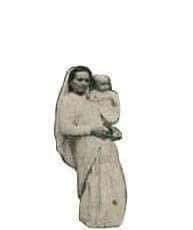
Remembering the Courage and Invisible Contributions of a Woman in Nepal’s Anti-Rana Movement
When we remember Nepal’s struggle against the Rana regime, historical narratives often focus on political leaders, underground organizations, arrests, imprisonment, and the eventual establishment of democracy. Yet, behind these visible political events were women whose courage, sacrifice, and everyday contributions helped sustain the freedom movement.
Their homes became places of refuge. Their kitchens became sources of support. Their personal lives were transformed by the risks they took to protect political activists. One such remarkable woman was Heera Devi Yami (née Kansakar).
Her contribution to Nepal's democratic movement was not limited to supporting her husband, Dharma Ratna Yami. She independently demonstrated extraordinary courage, determination, and commitment to the struggle against authoritarian rule.
A particularly moving account of her contribution appears in the Smritigranth of Dharma Ratna Yami, in the recollections of Tulsilal Amatya, a prominent political leader who experienced her hospitality and protection while living underground. Amatya remembered Heera Devi with profound affection and respect, describing her in the language of a mother, a sister, and a goddess. His tribute offers an intimate perspective on a dimension of political resistance that conventional historical narratives frequently overlook: the invisible labor, personal risks, and emotional strength of women who made underground political activities possible.
1. A Home That Became a Refuge for Freedom Fighters
During the struggle against the Rana regime, sheltering underground political activists was extremely dangerous. The authorities closely monitored political opponents, and anyone suspected of helping them could face interrogation, harassment, arrest, or imprisonment. Despite these risks, Heera Devi opened her home to underground activists, including Tulsilal Amatya.
According to Amatya's recollections, groups of eight, ten, or sometimes even more activists would arrive unexpectedly, often under the cover of darkness. Providing shelter to so many people was not simply an act of hospitality; it required considerable planning, discretion, courage, and constant vigilance. Every additional person increased the possibility of discovery, and every ordinary household activity had to be managed carefully to protect the people hiding inside. Heera Devi accepted these responsibilities without abandoning her commitment to the freedom struggle. Her home became more than a private residence—it became a place of protection for people working toward political freedom.
2. The Extraordinary Story of the Kopra
One of the most striking episodes in Tulsilal Amatya's account concerns the practical difficulties of providing shelter to underground activists. At that time, most residential houses did not have indoor toilet facilities, and people generally depended on outdoor spaces for sanitation. This created a serious challenge when several activists had to remain hidden inside a house for extended periods. According to Amatya's recollection, a container known as a kopra was kept in the room for the activists' sanitation needs.
The circumstances were difficult, as the activists could not freely leave the house during the day because doing so might attract attention and expose their hiding place. The responsibility of managing this difficult arrangement fell largely on Heera Devi. She was a key player in initiating the first women's association. The account describes how she would quietly empty and clean the container at night.
To avoid attracting attention, she wrapped a large shawl around herself, disguised her appearance, and carried the container under the cover of darkness to a nearby river. This was not an ordinary household chore; it involved physical hardship, personal discomfort, and considerable danger. If anyone had stopped her, questioned her, or discovered what she was carrying, the consequences could have been serious for both her and the underground activists. Yet she undertook this responsibility because she understood that the survival of the freedom fighters depended on maintaining their secrecy.
What makes this episode historically significant is not the physical task alone; it reveals the hidden infrastructure of political resistance. Political movements require more than speeches, meetings, and public demonstrations; they also depend on people who undertake difficult, unrecognized work to ensure that those movements can continue. Heera Devi's contribution illustrates precisely this dimension of resistance.
3. The Price Women Paid: Public Shaming and Character Assassination
Heera Devi faced another form of danger beyond the possibility of arrest or punishment: she also had to confront social humiliation and attacks on her reputation. Tulsilal Amatya's account describes how people in the neighborhood would make insulting remarks and spread rumors about her association with underground activists. Her actions were misrepresented as inappropriate relationships with men rather than understood as political solidarity and support for destination-focused democratic movements.
Such accusations were particularly damaging in a society where women's public behavior was closely monitored and judged according to restrictive social expectations. This form of humiliation served a political purpose: by attacking a woman's character, those opposed to her activities could attempt to isolate her, undermine her credibility, and discourage others from following her example. Heera Devi's experience illustrates how women's participation in political movements often carried an additional burden. Men might be questioned about their political activities, but women could also be subjected to attacks on their morality, character, and social standing as another form of control.
From Historical Character Assassination to Contemporary Gender-Based Harassment
Unfortunately, the social mechanisms used to silence women have not disappeared. Women who challenge established practices, speak against injustice, participate in public affairs, or assume leadership positions continue to face character attacks and social intimidation. In contemporary Nepal, these pressures take various forms, including community gossip, gender-based discrimination, online harassment, and the deliberate spread of damaging rumors.
The methods may have changed, but the underlying objective remains similar: discouraging women from exercising their agency and participating fully in public life. Heera Devi's story therefore has high relevance beyond its historical setting, reminding us that women's freedom requires more than formal political rights—it requires social recognition, dignity, protection from harassment, and the freedom to participate in public life without being subjected to character assassination.
4. Recognizing the Invisible Labor Behind Political Freedom
History often celebrates the visible faces of political movements. We remember leaders who organized demonstrations, delivered speeches, negotiated political settlements, and endured imprisonment. However, the sustainability of underground resistance depended equally on people whose contributions were less visible. Women provided shelter, food, clothing, emotional support, and other essential assistance. They helped maintain connections between activists and their families and supported those who continued the struggle despite imprisonment and persecution.
Such contributions were not secondary to political resistance; they were part of its essential foundation. Heera Devi's experience demonstrates why women's contributions must be included in the historical record of Nepal's democratic movement. Her courage should not be reduced to the conventional image of a devoted wife or a self-sacrificing mother—she was a woman exercising political judgment, taking risks, and making independent decisions in support of democratic freedom.
Recognizing her contribution also requires acknowledging the countless other women whose names and experiences have not been adequately documented. Their stories deserve research, preservation, and inclusion in Nepal's history.
5. Why Heera Devi's Story Matters in the Age of Artificial Intelligence
Today's children and young people live in a world shaped by artificial intelligence, digital communication, and instant access to information. They can retrieve historical dates, political developments, and biographical information within seconds. However, access to information does not automatically create historical understanding, empathy, or wisdom.
A computer can preserve a document, reproduce a historical account, and summarize a political movement. But understanding the human cost of courage, discrimination, and sacrifice requires critical thinking and engagement with people's experiences. Heera Devi's story offers important lessons for the younger generation:
Empathy and Human Dignity: Her experience teaches us to recognize the human effort behind political freedom. The struggle for democracy was sustained not only by prominent leaders but also by ordinary people who accepted extraordinary risks.
Recognizing Gender-Based Control: The attacks on Heera Devi's reputation demonstrate how society can use shame, rumors, and character assassination to control women's behavior. Young people must learn to question such practices rather than perpetuate them.
Courage and Social Responsibility: Her actions remind us that courage is not always demonstrated through public speeches or dramatic political events. Sometimes it is expressed through difficult decisions and responsibilities undertaken quietly, without recognition or reward.
Preserving Historical Memory: Digital technology and AI can help preserve oral histories, historical documents, photographs, and personal testimonies. However, these tools must be used responsibly, with proper source verification and respect for historical context. The younger generation should learn not merely to retrieve historical information but to examine evidence, question incomplete narratives, and recognize people whose contributions have been overlooked.
6. A Message to the Next Generation
To young people growing up in the age of artificial intelligence: The freedoms you enjoy today were not created overnight. They emerged through the courage, sacrifices, and collective efforts of generations who challenged injustice and authoritarian power. Many of those contributions were never adequately recognized.
Heera Devi Yami's life reminds us that the history of freedom cannot be written only through the names of political leaders and the dates of major events. It must also include the women who opened their homes, protected activists, endured humiliation, and accepted personal risks to sustain the struggle.
Tulsilal Amatya's tribute is significant because it preserves one such personal memory. His description of Heera Devi as a mother, a sister, and a goddess expresses the profound gratitude of someone who experienced her courage and generosity during a difficult period of political resistance. We must ensure that these memories do not disappear.
Preserving women's history is not simply an exercise in remembering the past; it is an act of historical justice and an investment in a more equitable future. Heera Devi Yami's legacy reminds us that the foundations of freedom are often built through acts of courage that history has been slow to recognize.
Let her story inspire future generations to defend human dignity, challenge injustice, respect women's agency, and use knowledge and technology in the service of a fairer society.
[#HeeraDeviYami #TulsilalAmatya #DharmaRatnaYami #NepalHistory #AntiRanaMovement #NepalDemocraticMovement #WomenInHistory #UnsungHeroines #WomensContribution #Herstory #WomenAndFreedom #GrassrootsResistance #FeministHistory #HistoricalMemory #OralHistory #GenderJustice #SocialJustice #HumanDignity #WomenEmpowerment #AIandHistory #DigitalArchiving #FutureGenerations]
Dharma Heera Memorial Academy (DHMA)
Preserving history, promoting dignity, and empowering future generations.